
Bathroom Renovation Guide
Bathroom renovations are one of the most impactful home upgrades — but they’re also one of the easiest places to make expensive mistakes. Small spaces mean small decisions feel huge, and once tile is set or plumbing is in, changes aren’t simple. Whether it's one piece of the big house renovation project (like me) or the only renovation at hand, here is my guide on how to help you through (tried & true).
1/23/2026
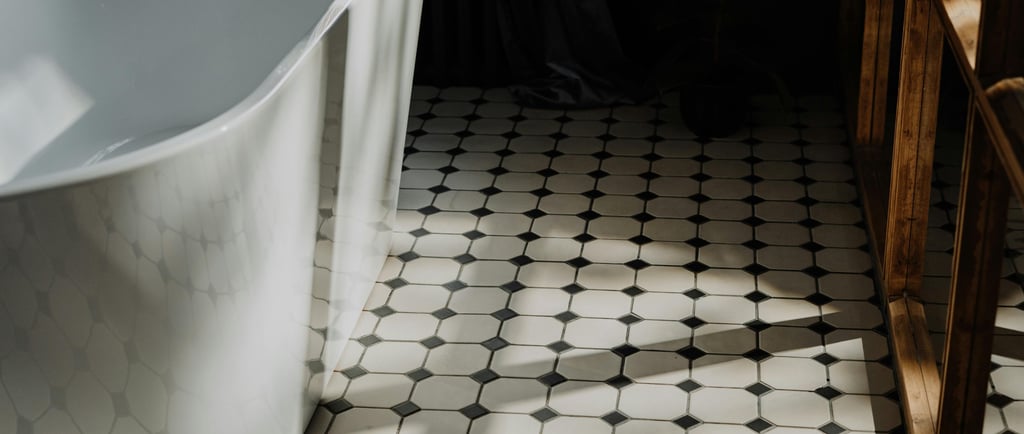
Whether you’re updating a powder room, tackling a full bathroom remodel or both at the same time, having a clear plan can save time, money, and stress. This guide walks through everything to keep top of mind: what matters most, tools to use, key steps, and what to think about beyond the renovation itself.
Things to Remember Before You Start a Bathroom Renovation
1. Function Comes First
Before aesthetics, think about how the bathroom is actually used:
Who uses it (kids, guests, adults)?
How many people are using it daily?
Morning rush vs. evening wind-down?
Storage needs?
A beautiful bathroom that doesn’t function well will frustrate you daily.
2. Bathrooms Are Systems, Not Just Rooms
Bathrooms rely on plumbing, electrical, ventilation, and waterproofing working together. Cutting corners here leads to long-term issues like mold, leaks, and repairs behind walls.
Invest in:
Proper waterproofing
Quality plumbing fixtures
Spacing between elements
Proper lighting location for ultimate clear reflection
Adequate ventilation
3. Decisions Add Up Fast
Tiles, grout, hardware, lighting, mirrors — bathrooms require more decisions than you expect. Expect some decision fatigue and build systems to manage it. Find a good retailer to help piece all tiling together, create mood board and ensure your contractor see your vision.
Tools to Use During a Bathroom Renovation
Using the right tools (digital and physical) can dramatically reduce stress.
Helpful Tools:
Pinterest – for inspiration and visual clarity (create one focused board)
Canva or Google Slides – mood boards and finish comparisons
Notes app / Google Docs – track decisions, finishes, and measurements
Contractor checklists – timelines, trades, dependencies
Sample boards – tile, countertop, paint, and hardware samples together
Seeing everything side by side helps avoid mismatched finishes.
Most Important Pieces of a Bathroom Renovation
1. Layout
If the layout works, avoid changing it — moving plumbing is one of the biggest cost drivers. Focus on improving flow and storage within the existing footprint when possible.
2. Vanity & Storage
Storage makes or breaks a bathroom:
Drawers over cabinets
Built-in organizers
Medicine cabinets with depth
A functional vanity is worth prioritizing. Also when you start looking at vanities, it will be overwhelming because they all seem to look the same! Stay focused on what you need, read reviews, choose more local delivery when possible and when you find what you want, stop looking.
3. Shower & Tub
Key considerations:
Walk-in vs. tub/shower combo
Shower base or tiled with ledge
Tile size and slip resistance
Built-in niches (add them early in planning)
Type of shower/bathroom hardware whether shower head or double function
4. Lighting
Bathrooms need layered lighting:
Overhead lighting
Task lighting at the mirror (over mirror or sconces on either side)
Optional accent lighting
Good lighting changes everything.
5. Fixtures & Hardware
Choose fixtures early so plumbing rough-ins are correct. Stick to one finish for a cohesive look and easier maintenance. Make sure you take your hardware's out of the boxes to ensure your finishes match, sometimes brushed nickel differs from location to location.
Step-by-Step Bathroom Renovation Process
Step 1: Define Your Scope
Cosmetic refresh or full gut?
Budget range
Timeline expectations
Step 2: Design & Plan
Finalize layout
Select tile (shower/tub, floor and behind vanity)
Select fixtures and hardware
Select vanity
Select lighting
Order materials early (lead times matter)
Step 3: Demo & Rough-Ins
Demolition
Plumbing, electrical, framing
Waterproofing inspection (critical step)
Step 4: Install Finishes
Tile
Vanity
Fixtures
Lighting and mirrors
Step 5: Final Touches
Paint
Hardware
Accessories
Final inspections
Things to Keep Top of Mind During the Renovation
Always order extra tile (10–15%)
Choose grout that’s practical, not just pretty
Ask questions early — changes later cost more
Expect delays and build in buffer time
Beyond the Renovation: Living With Your New Bathroom
Once complete:
Keep care instructions for materials
Use proper cleaning products
Address small issues early (caulking, seals)
A well-planned bathroom should last years with minimal upkeep.
Bathroom renovations can feel overwhelming, but they don’t have to be chaotic. Clear planning, thoughtful decisions, and realistic expectations go a long way. Focus on function, invest in the unseen elements, and give yourself grace — renovations are as much mental projects as physical ones.