
How to Plan and Design a Whole Home Renovation
Planning a whole home renovation can feel exciting one minute and completely overwhelming the next. Between Pinterest boards, contractor quotes, endless decisions, and real life still happening around you, it’s easy to feel like you’re in over your head before you’ve even started. But here’s the truth: a successful renovation isn’t about having perfect taste, an unlimited budget, or a professional design background — it’s about having a clear plan, realistic expectations, and a few simple systems to keep you organized along the way. Whether you’re renovating one room at a time or taking on a full-house project, this guide will walk you through how to plan and design your renovation in a way that feels manageable, thoughtful, and actually doable for everyday people with busy lives. Let’s break it down into simple, practical steps you can follow — no panic required.
2/3/2026
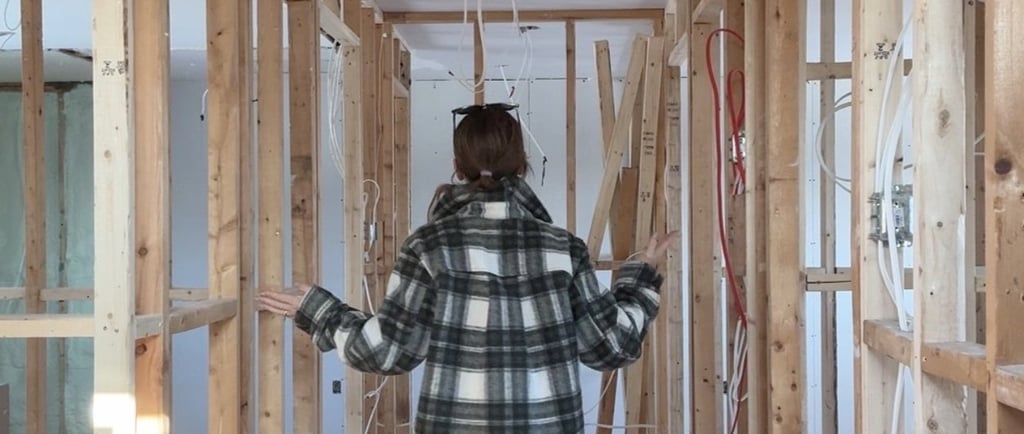
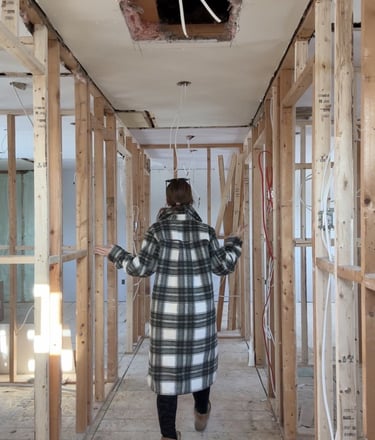
Step 1 — Get Clear on Your “Why” Before Your “What”
Before you pick tile, paint colors, or fixtures, ask yourself:
Why are we renovating?
What isn’t working in our home right now?
How do we want our home to feel?
For example:
More functional for kids
Better flow for daily life
Brighter, calmer, or more modern
More storage
More family-friendly
Write this down. This becomes your North Star when decisions get overwhelming.
Step 2 — Define Your Budget (Even If It’s a Range)
You don’t need a perfect number, but you do need a realistic range.
Consider:
What you must change
What you would love to change
What you’re okay leaving for later
A helpful way to think about it:
“Must do” list
“Nice to have” list
“Maybe one day” list
This helps you prioritize instead of feeling like everything is urgent.
Step 3 — Start With Big Picture Design, Not Details
Instead of getting lost in tiny choices right away, focus on the overall look and feel of your home first.
Ask yourself:
Do I want warm or cool tones?
Modern or classic?
Minimal or cozy?
Light and bright or moody?
Create a simple inspiration board (Pinterest works great for this). Look for:
Rooms that feel like home to you
Not just what’s trendy, but what you actually love
Your design should work for your real life — not a magazine.
Step 4 — Plan Room by Room (So You Don’t Get Overwhelmed)
A whole home renovation is really just a series of smaller renovations.
Go room by room and ask:
What works?
What doesn’t?
What needs to change now?
What can wait?
For example:
Kitchen: layout, storage, lighting
Bathroom: functionality, waterproofing, durability
Living room: comfort, flow, family use
Bedrooms: calm, storage, practicality
Write down 3–5 priorities per room. That’s enough to guide your decisions.
Step 5 — Choose Function First, Aesthetics Second
Pretty finishes are exciting, but function is what you live with every day.
Some examples:
Choose lighting before tile
Think about storage before paint
Consider traffic flow before furniture
Prioritize durability if you have kids or pets
You can have a beautiful home that also works for real life — that’s the sweet spot.
Step 6 — Build in Flexibility (Because Things Will Change)
Renovations rarely go exactly as planned — and that’s normal.
Build in:
Extra time
Extra budget (even 10–15%)
Emotional patience
When something doesn’t go perfectly, remind yourself: this is part of the process, not a failure.
Step 7 — Remember: You Don’t Need to Do Everything at Once
A whole home renovation doesn’t have to happen in one season.
You can:
Start with the kitchen
Then move to bathrooms
Then bedrooms
Then finishing touches
Your home can evolve over time — that often makes it even more meaningful.
Closing Thought
Planning and designing a whole home renovation is a big project, but it doesn’t have to feel terrifying. With clarity, patience, and a simple plan, you can create a home that truly works for your family — and feels like you.
Take it one room, one decision, and one step at a time.